Welcome to the Autism@Manchester Research Involvement Toolkit. The aim of the Toolkit is to encourage more autistic people to become involved in research as both public contributors supporting the design and conduct of research, and as research participants.
The Toolkit idea came from our work with autistic people when we were developing guidance for researchers on involving autistic people in research. Autistic people highlighted concerns about accessing and understanding research. The following Toolkit is designed to guide people through the research process, explain technical language, highlight types of research, how to access research, and most importantly, how to get involved.
Furthermore, we hope that the Toolkit can help to address some of the health inequalities that many autistic people experience. Autistic people have higher rates of most medical conditions and face significant barriers to health services. This can be due to services not being autism-informed, trauma from prior service experiences and autistic characteristics such as sensory, motor and executive functioning differences.
These health inequalities are made worse by non-inclusive health and care research; autistic people are rarely included as research participants or involved as advisors. Greater involvement of autistic people in research is essential for ensuring their needs are considered across health research.
We also acknowledge the context of autism research. We are aware that globally, certain research funding continues to ignore the priorities or needs of autistic adults and does not meet good practice standards. Furthermore, the Toolkit is written predominantly from a UK research perspective and we acknowledge that some aspects may be less applicable to research in other countries.
We are trying to do things differently, alongside many autism-informed researchers in the UK. Our work is rooted in the neurodiversity paradigm, and we believe that autistic people should be involved in all aspects of research that affect them directly. We hope this Toolkit will help with this aspiration.
You can access the Toolkit at your own pace, and at any time or place with an online device or computer.
The Toolkit is organised into four modules. These can be accessed in any order, according to your needs, interests, and preferences. However, we suggest that you work through the Toolkit in order (1 to 4). All modules are available at the same time and do not disappear if you complete one.
Within each module, there are links to further resources and a glossary, in case you would like further information or explanations. Links to the glossary are in black, bold and underlined; external links (i.e. to other websites) are in purple, bold and underlined; and internal links (e.g. to the modules) are in teal, bold, and underlined.
We suggest that each module may take approximately 2 hours, but this can vary substantially between individuals.
This Toolkit is for everyone: autistic and non-autistic people who want to know more about research, participate in or collaborate with research projects.
Although the Toolkit focuses on examples from autism research, evaluation with non-autistic people with mental health conditions suggested that the Toolkit is useful for a wider range of people.
The aim is to increase autistic peoples' understanding of and involvement in research both as participants and public contributors.
The Toolkit is a collaboration between UK-based researchers, clinicians, autistic people and The University of Manchester Library.
Initial ideas and an early draft of Module 1 were discussed with Autism@Manchester’s Expert by Experience group and feedback was collected about the content ideas. Further feedback from autistic people was obtained on the first full draft of 2 modules and then the entire Toolkit was evaluated by autistic people and non-autistic people with mental health conditions who took part in focus groups and interviews. We developed the content and made changes based on these rounds of feedback.
We would like to acknowledge that there were some suggestions that we were unable to address due to time or technical limitations, but hope to return to in future versions. We developed the content and made changes based on these rounds of feedback. Of the Toolkit authors, three of the main writers are autistic, the academics are experts in autism and co-producing research (some of whom are also neurodivergent) and our Library e-learning colleagues also brought considerable experience of supporting autistic individuals.
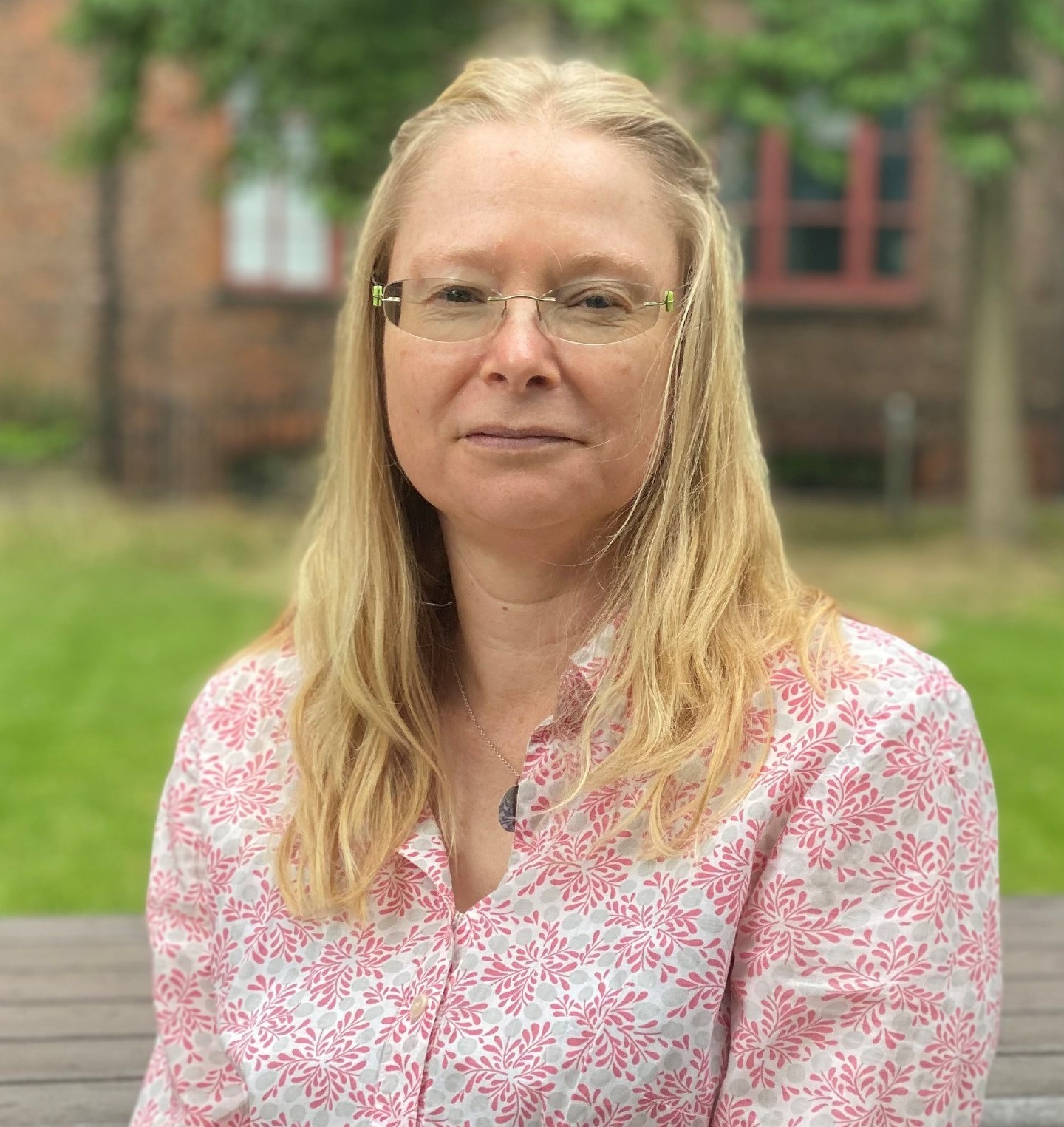
Professor of Cognitive Neuroscience, The University of Manchester with interests in sensory motor differences in autistic people and research co-production.
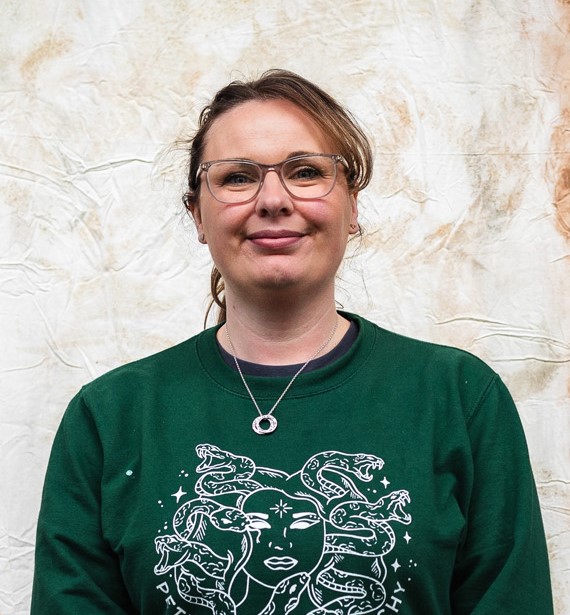
Research associate and Autism@Manchester’s co-producer with interests in reducing autistic health inequalities and creative health.
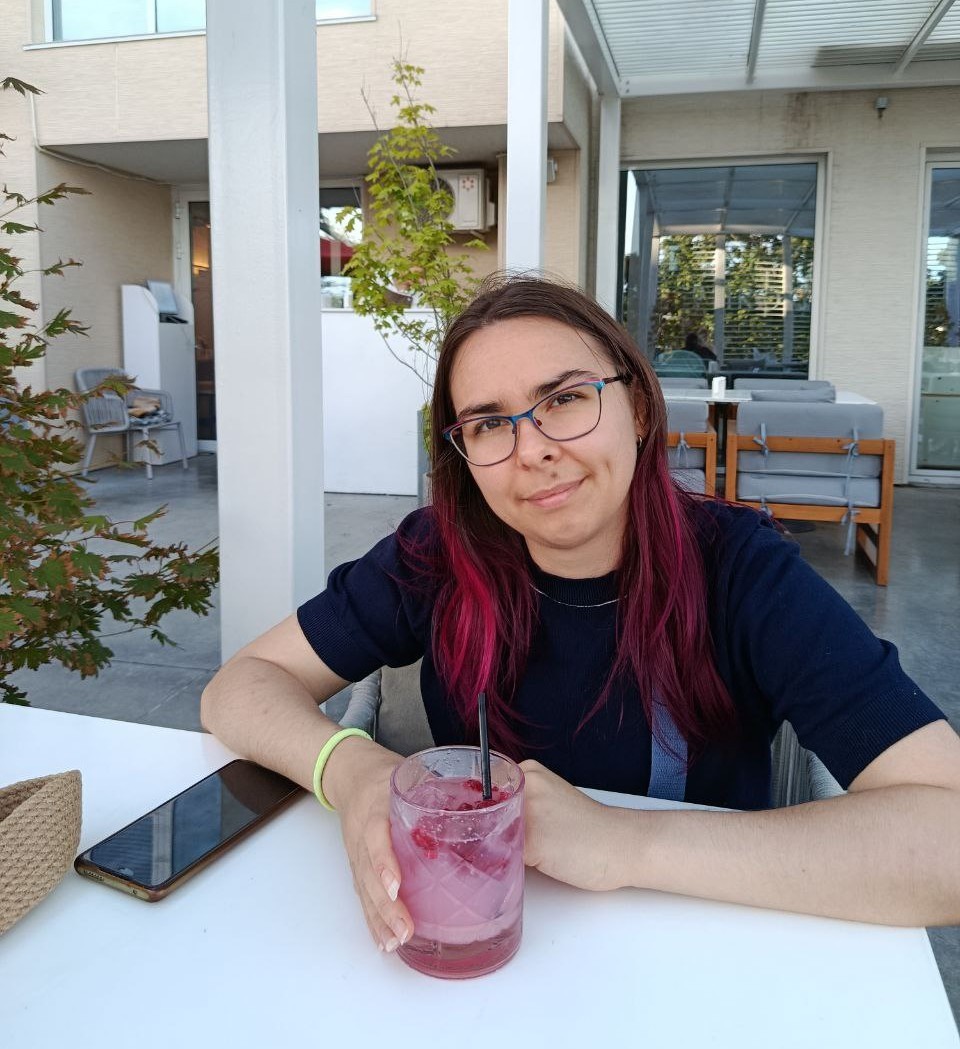
PhD student, co-producer, autistic autism researcher with interests in early autism interventions and support.
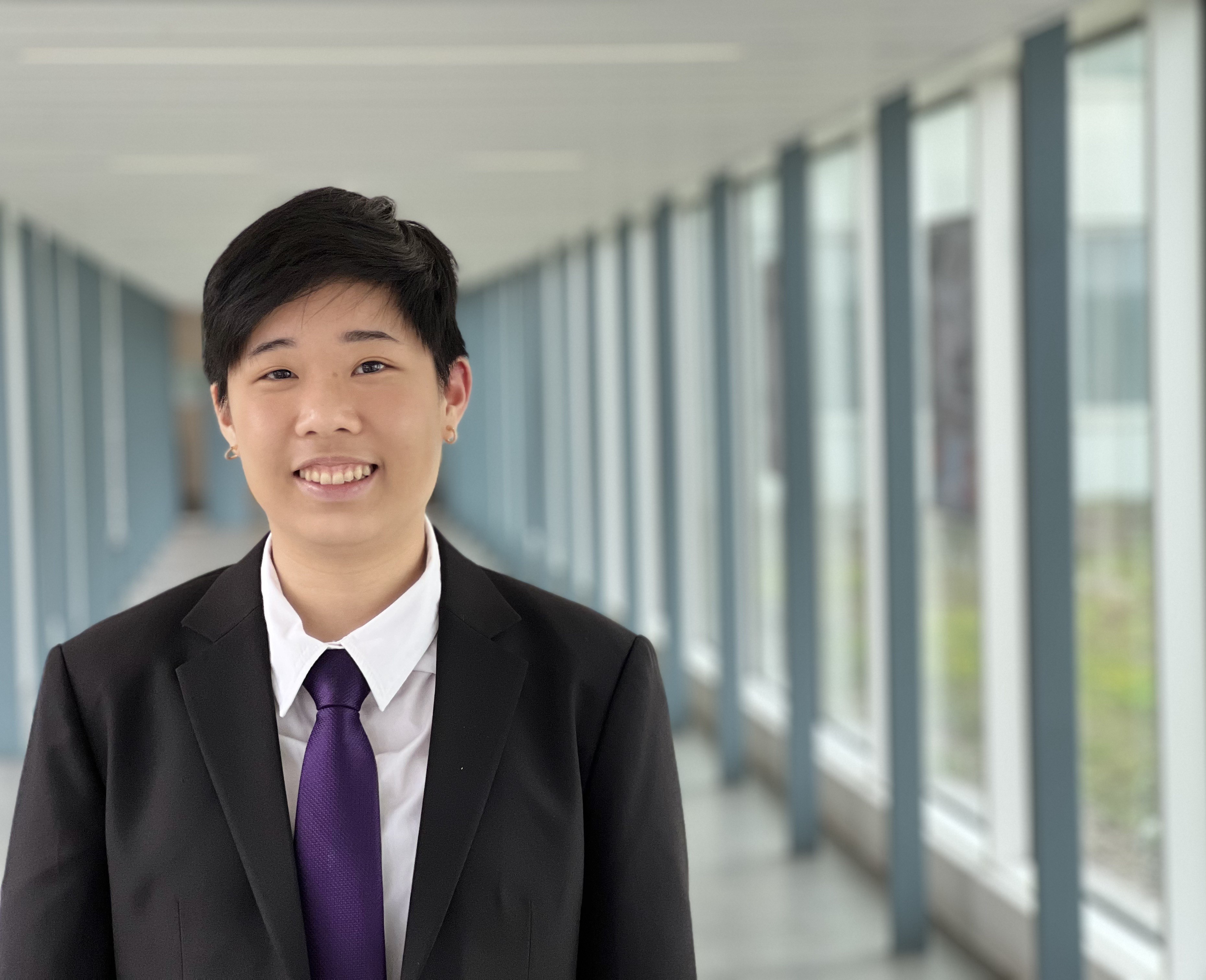
Autistic co-producer, illustrator with interests in global majority people's experiences of autism and creatively connecting with research.

Clinical Lecturer/Speech and Language Therapist at The University of Manchester. Research interests in understanding and supporting social communication differences.
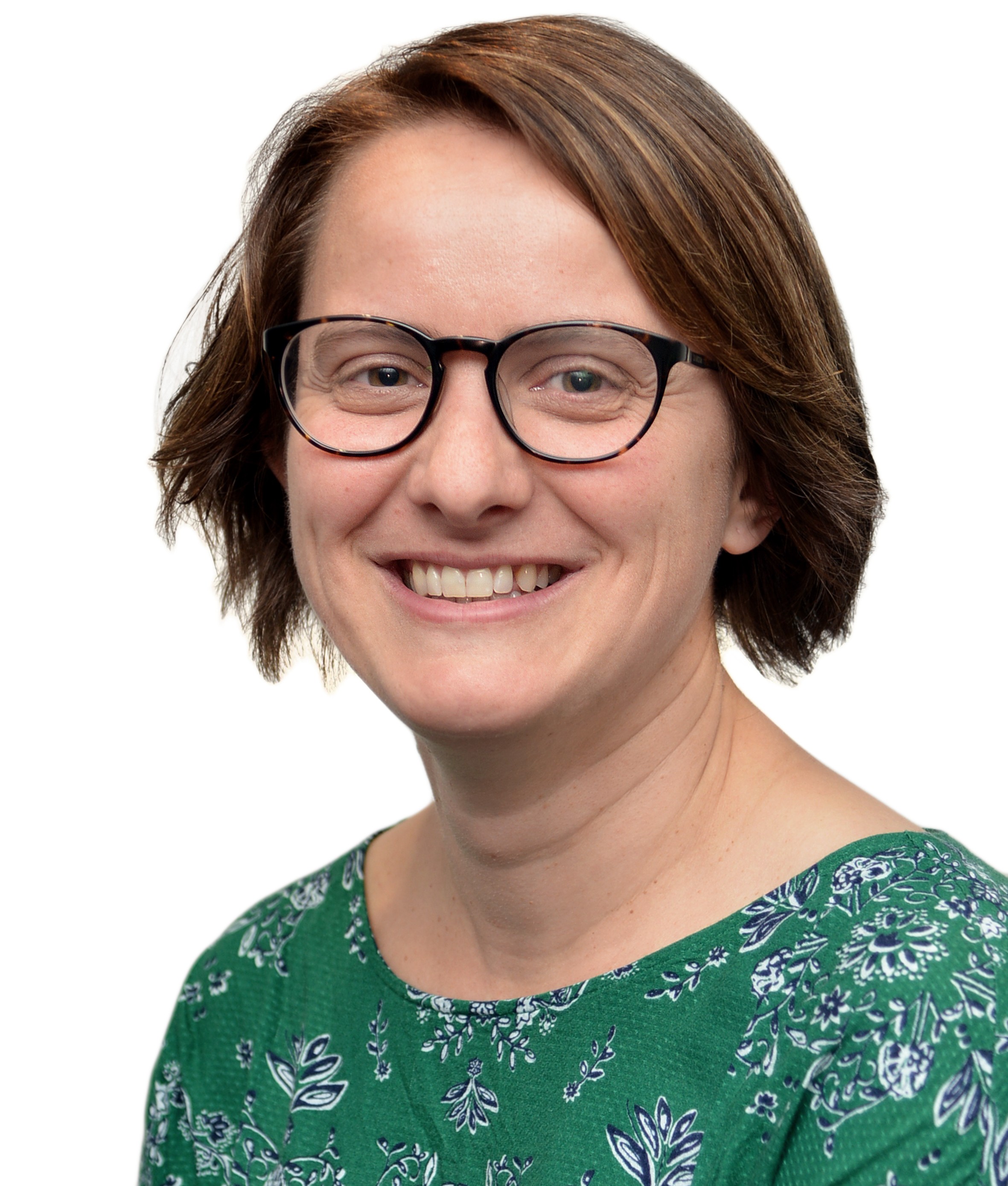
Senior Lecturer, The University of Manchester with interests in how services (health, social care, education) can better support autistic people and their families

Digital Skills Development Specialist, The University of Manchester, with interests in learning design, neurodiversity and accessibility.
Autistic research intern at the Body Eye and Movement Lab and Neuroscience with Psychology degree student at The University of Manchester .
Research Fellow, The University of Sheffield with interest in inclusive research and co-production.
Research Fellow at The University of Manchester, Counsellor and mindfulness teacher. Research interests in the health and wellbeing of autistic adults, and other groups who are underserved by healthcare and research.
Development of the Toolkit was funded through The University of Manchester Dragons Den initiative, the University of Manchester Research Institute Pump Priming fund, and the Three NIHR Research Schools Mental Health Programme (award number: MN096). The views expressed are those of the authors and not necessarily those of the NIHR or the Development of Health and Social Care.
Here you will find the terms and definitions for all the words that are black, bold and underlined throughout the Toolkit.

The Toolkit is organised into the following four modules. (See How do I use the Toolkit? above for details on how to interact with the modules.)
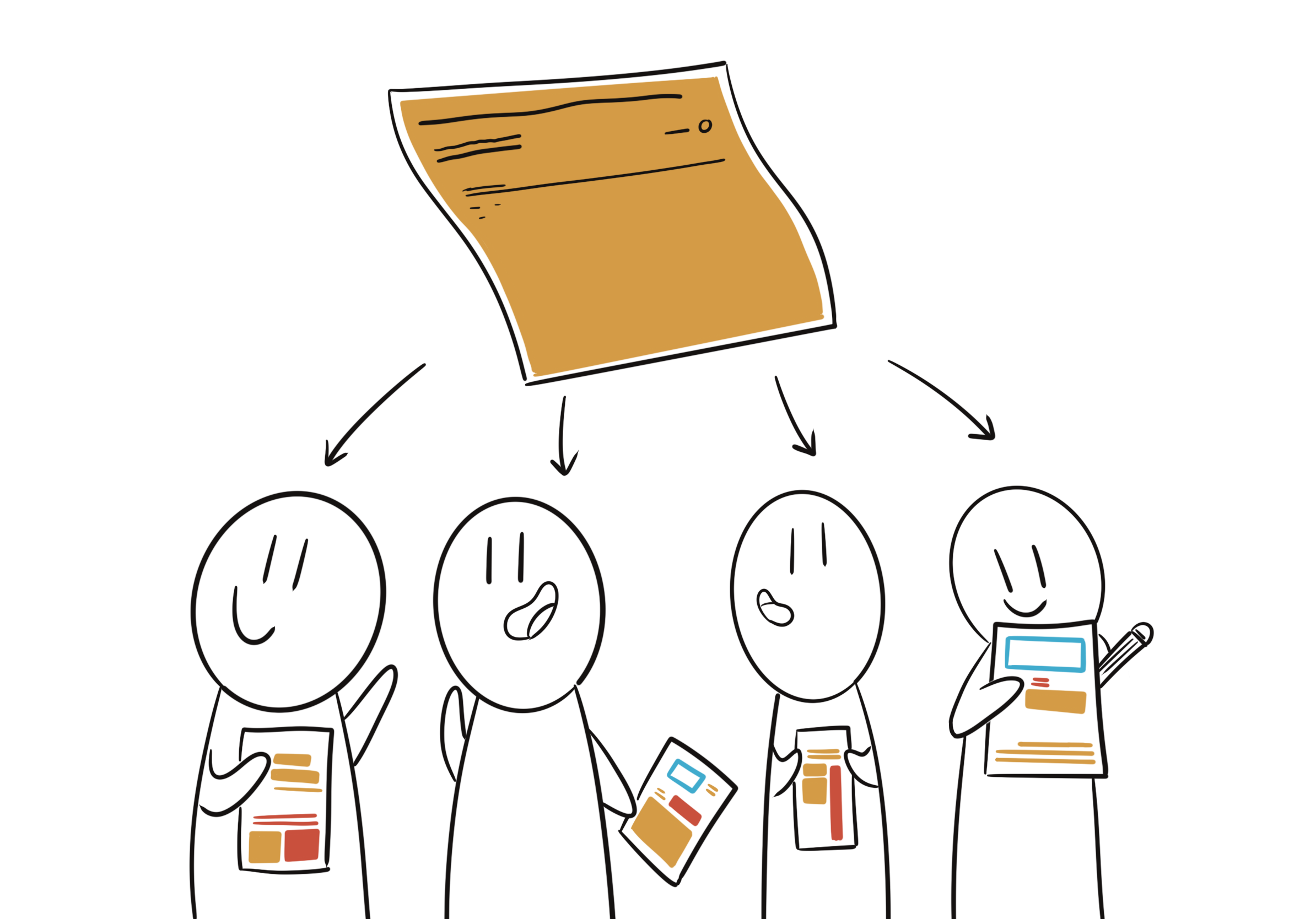
This is useful for people who do not have much experience or knowledge about research.
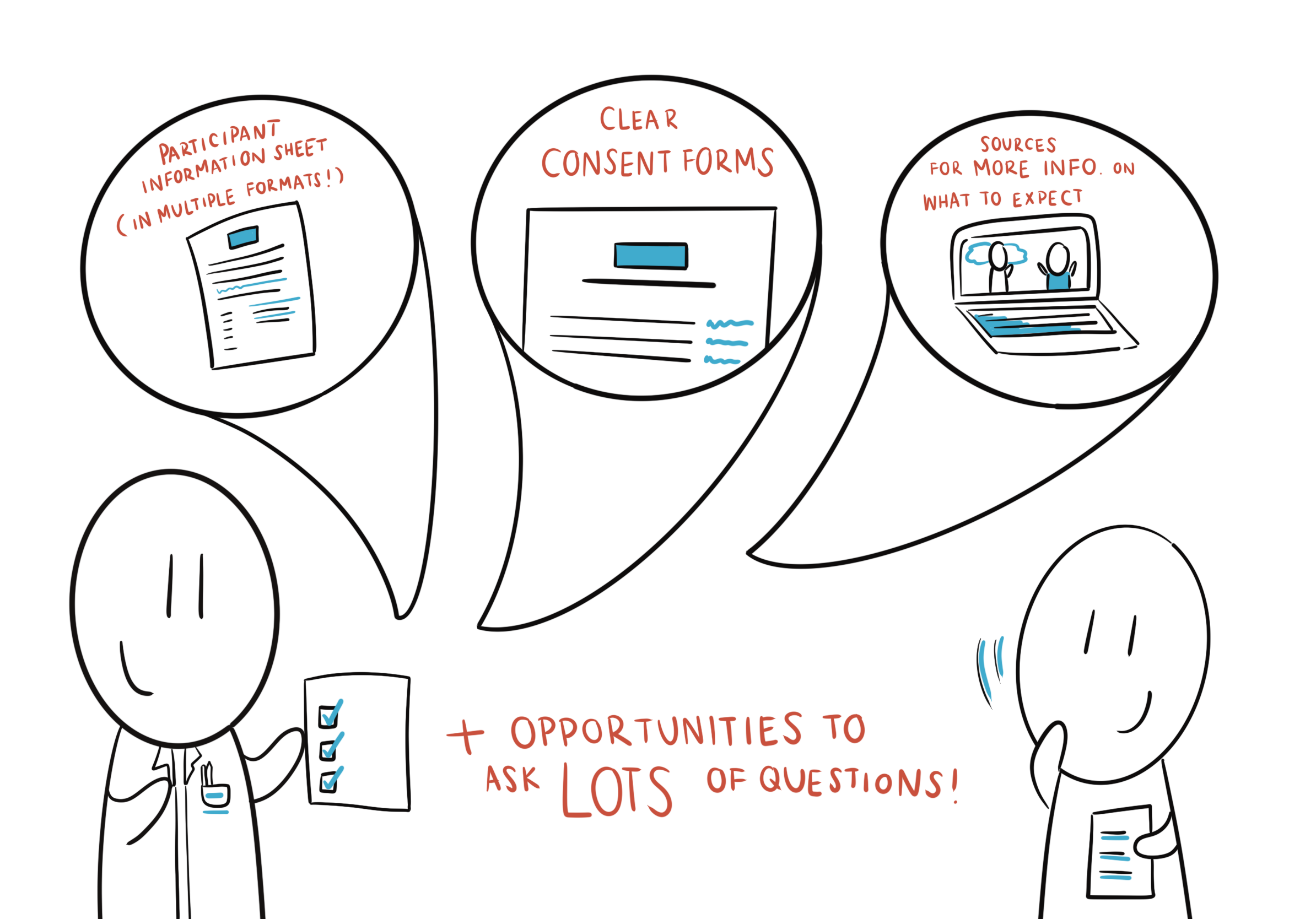
This is useful for people who would like to find out about research and take part as a research participant.
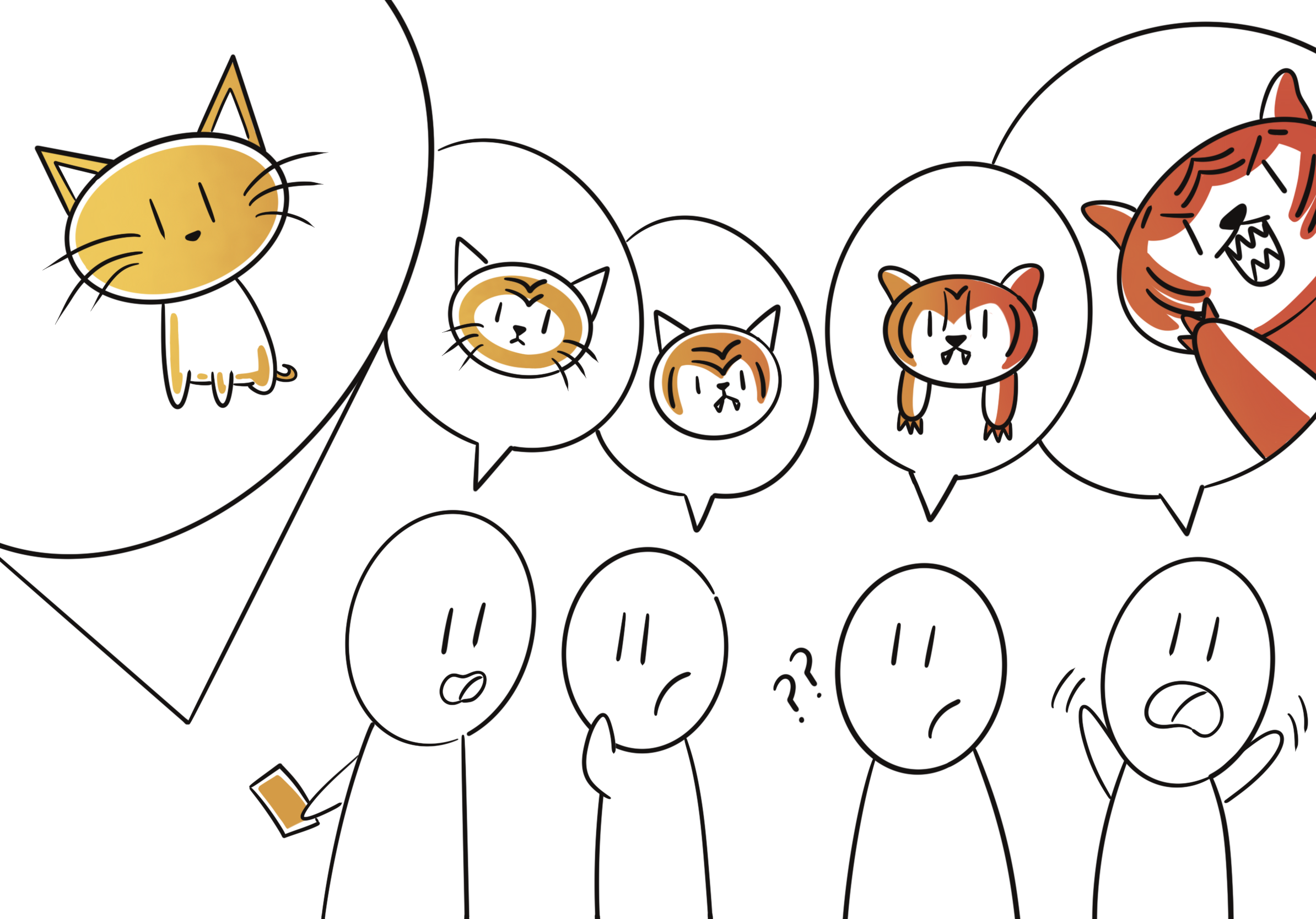
This is useful for people who would like to learn how to interpret research findings and use this knowledge in their daily lives.
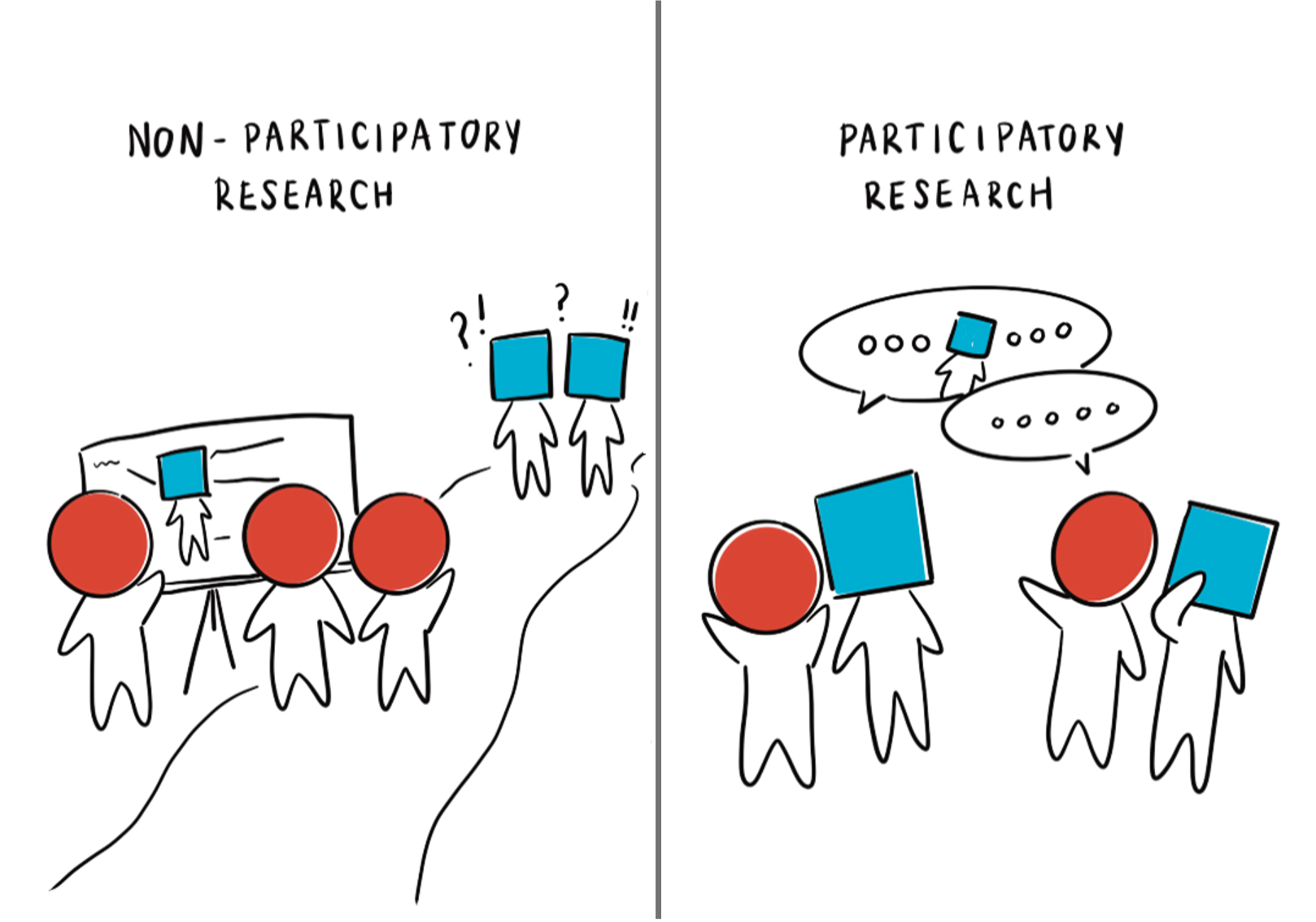
This is useful for people who would like to know more about getting involved in shaping research through co-production.
At the end of each module there are some questions that we would be very grateful if you could complete so we can measure what people have gained from the Toolkit.
This will help us to show whether the Toolkit has made a difference to people and to make the case for further support or funding. We also plan to improve the Toolkit based on responses. All answers to these questions will be anonymous.
If you become distressed reading around research or from your experience of being involved in research you may want to speak to your GP or the Samaritans.

Autism@Manchester is a community of academics, clinicians, practitioners, autistic adults, parents of autistic children and family members working together to achieve quality research with real meaning for people with autism. If you would like to find out more visit our website.
If you wish to contact us regarding the content of this Toolkit, please email: emma.gowen@manchester.ac.uk